Crawl space encapsulation in Richmond costs $6,000–$15,000 for a full seal — drainage, liner, and dehumidifier. With roughly 46–47 inches of precipitation a year and humid summers over slow-draining clay, most vented crawls here stay damp enough to grow mold and rot framing.
Below: the signs your crawl space is the problem, why vented crawls fail in this climate, what encapsulation actually includes, and honest pricing by scope.
Is your crawl space making the whole house worse?
Most people never look under their house. They notice what the crawl sends upstairs:
- A musty smell that won't leave — strongest in summer and in the first rooms above the crawl
- Cupped or crowning hardwood floors — moisture rising through the subfloor
- Bouncy, soft spots underfoot — joists and girders softening with rot
- Allergies that flare at home — mold spores riding the stack effect upstairs
- Sticker-shock summer humidity indoors no matter how hard the AC runs
- Camel crickets, termites, and wood-destroying insects — damp wood is an invitation
Two or more of these usually traces to the crawl. The inspection is free and comes back with photos, so you see exactly what we see before anyone talks price.
Why vented crawl spaces fail in Richmond's climate
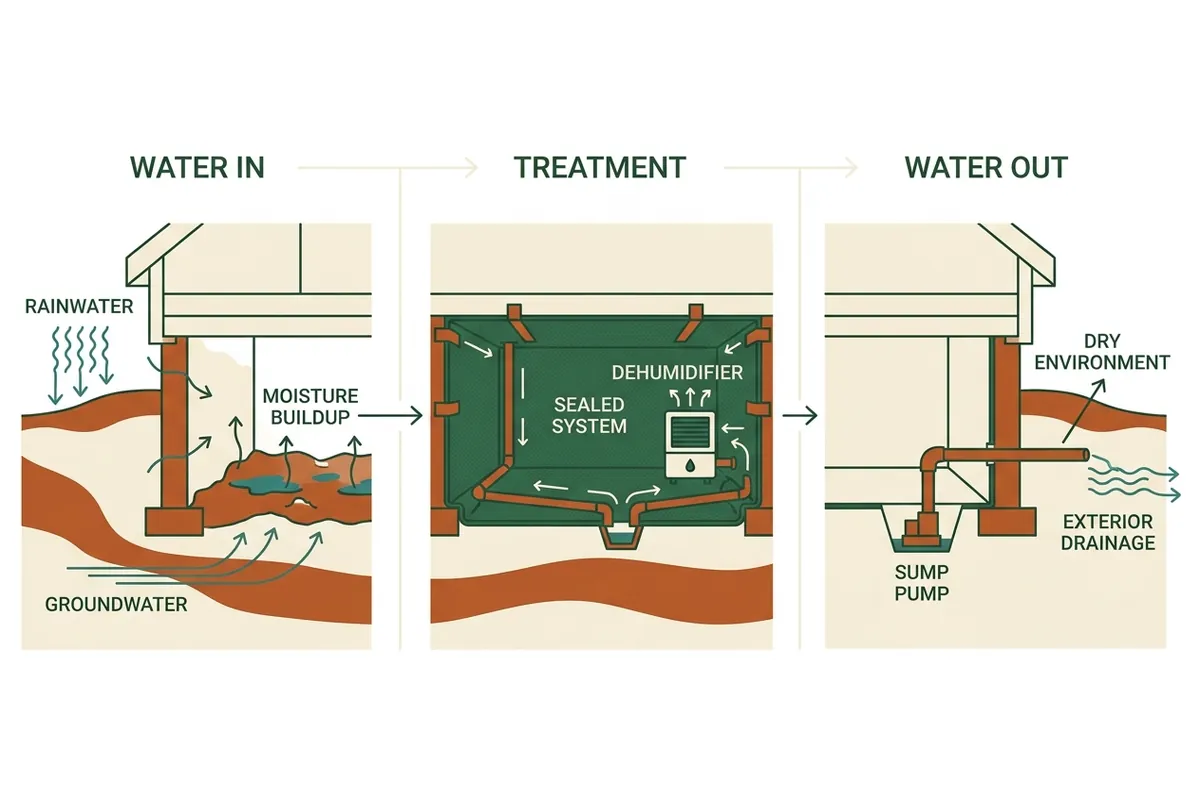
Vented crawls were built on a theory: outdoor air flowing through would keep the space dry. In a humid-subtropical climate the theory backfires. All summer, muggy outdoor air pours through the vents, hits framing and ductwork cooled by your AC, and condenses — the crawl literally waters itself. NOAA's climate normals put Richmond around 46–47 inches of precipitation a year, and the region's Piedmont clay drains slowly, holding that water against foundations long after the storm passes.
That's why Virginia's residential code (following IRC R408.3) now explicitly permits the opposite approach: an unvented, sealed crawl space with a Class I vapor barrier and a drying mechanism. Sealed-and-dried is the design the code evolved toward because vented-and-damp kept failing.
What does full encapsulation include?
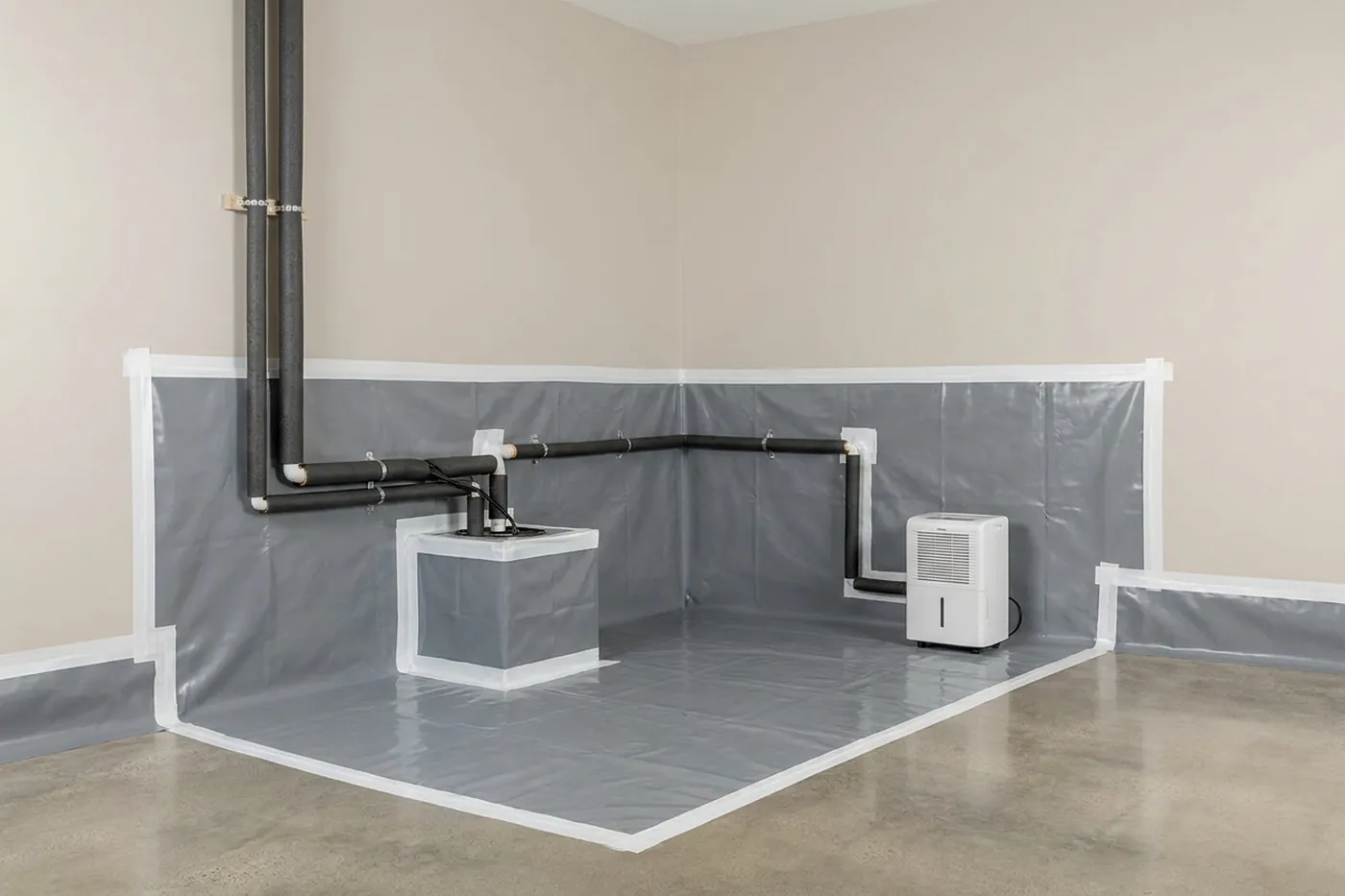
Encapsulation is a system, not a roll of plastic. Done right, in order:
- Fix the water first — interior drainage, sump pump, or grading corrections if the crawl takes water
- Remediate — mold treatment and repair of rotted framing before anything gets sealed in
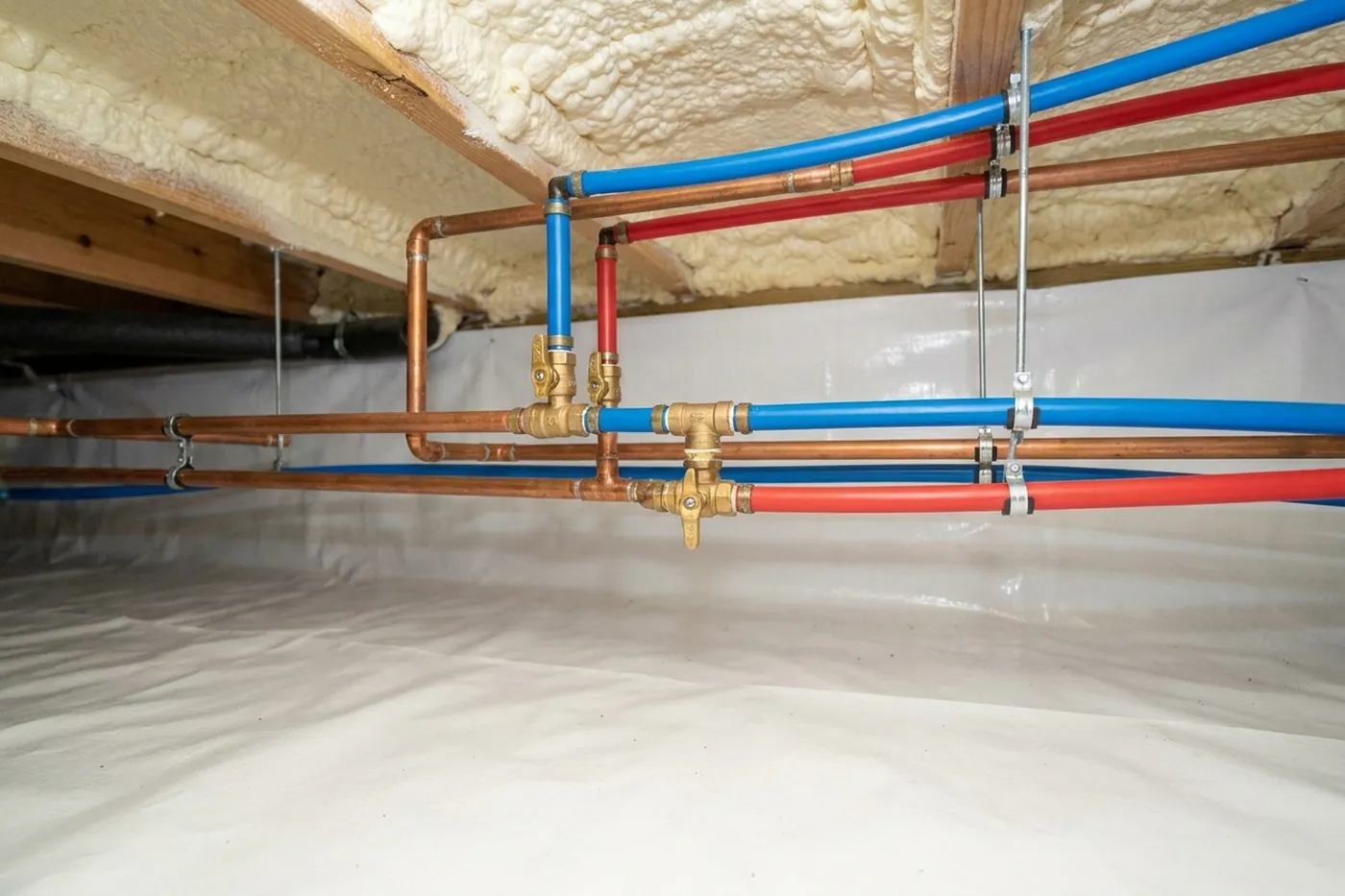
- Seal the ground and walls — heavy 12–20 mil reinforced liner, mechanically fastened and taped at every seam and pier
- Close the vents and air-seal penetrations so outdoor humidity stays outside
- Dry the air — a properly sized crawl space dehumidifier on a condensate drain
- Verify — humidity readings after commissioning, and photos of the finished space
Which scope does your crawl actually need?
| Scope | What it solves | Typical Richmond cost |
|---|---|---|
| Vapor barrier only | Ground moisture in an otherwise dry crawl | $1,500–$4,000 |
| Moisture control package | Humidity and condensation without standing water | $3,000–$7,000 |
| Full encapsulation | Damp crawl, musty house, mold pressure — the complete seal-and-dry system | $6,000–$15,000 |
| Encapsulation + drainage/sump | Crawls that take water in storms | $8,000–$15,000+ |
| Structural repair add-ons | Rotted joists, sagging floors discovered during inspection | Quoted per repair |
The free inspection sorts your crawl into one of these honestly. Plenty of Richmond crawls don't need the full ticket — and we'd rather quote the right scope than the big one.
Standing water under the house right now?
Don't wade into a flooded crawl with electrical service down there. Kill the breaker to any crawl circuits if you can do it safely from the panel, then call (804) 000-0000 — storm-water calls get same-day or next-day attention, and pumping out is the first step of the fix, not a separate bill.
Our services
Everything under the floor, from a barrier to the full system:
Crawl Space EncapsulationCrawl Space RepairCrawl Space WaterproofingVapor Barrier InstallationMold & Moisture ControlSump Pump & Drainage
Where we work
Metro Richmond's housing runs from 1920s bungalows on brick-pier crawls to brand-new West End construction — and the right fix differs accordingly:
Crawl space encapsulation in RichmondCrawl space encapsulation in HenricoCrawl space encapsulation in ChesterfieldCrawl space encapsulation in MidlothianCrawl space encapsulation in Glen AllenCrawl space encapsulation in MechanicsvilleCrawl space encapsulation in Short PumpCrawl space encapsulation in SandstonCrawl space encapsulation in Highland Springs
Frequently asked questions
How much does crawl space encapsulation cost in Richmond?
Full encapsulation typically runs $6,000 to $15,000 depending on square footage, how much drainage and repair work the crawl needs first, and dehumidifier sizing. Smaller scopes — a vapor barrier alone, or moisture control without full sealing — cost less. Every quote follows a free inspection with photos.
Why do Richmond crawl spaces have so many moisture problems?
Climate and construction. Richmond gets roughly 46-47 inches of precipitation a year with muggy summers, and when humid outdoor air flows through a vented crawl and hits cooler surfaces below your floor, it condenses. Add slow-draining clay soil holding water against foundations, and a vented dirt crawl stays damp most of the year.
Is encapsulation allowed under Virginia's building code?
Yes — the Virginia Residential Code (based on IRC R408.3) explicitly permits unvented, sealed crawl spaces when a Class I vapor barrier is installed and the space has a drying mechanism such as a dehumidifier or conditioned air.
Will encapsulation get rid of the musty smell upstairs?
That smell is usually crawl space air. Up to half the air in your first floor rises from the crawl through gaps and penetrations — the stack effect — so a damp, moldy crawl becomes the house's air supply. Sealing and drying the crawl addresses the source rather than masking it.
Do you fix the problems before sealing, or just cover them?
Fix first, always. Standing water needs drainage or a sump, rot and mold need remediation, and grading issues need correcting before anyone seals plastic over them. Encapsulating a wet crawl just builds a terrarium — it's the main thing we're called to redo after cut-rate installs.
How long does encapsulation take?
Most Richmond homes take two to four days: cleanup and any remediation first, then drainage if needed, then the liner, sealing, and dehumidifier. Larger or badly deteriorated crawls run longer, and we tell you before starting.
Does a sealed crawl space help energy bills?
It removes a humid air source your HVAC currently fights all summer, and most homeowners notice the difference in comfort and runtime. We're careful with claims here: savings vary by house, so we'll show you what changed rather than promise a number.
Do you offer just vapor barrier installation?
Yes. Not every crawl needs the full package — a clean, dry crawl may only need a proper 12-20 mil barrier ground cover. The inspection tells us which tier fits, and we quote what the crawl needs, not the biggest ticket.
Get a free Richmond crawl space inspection
Tell us what you're noticing — smells, humidity, floor bounce, a wet crawl — and we'll schedule an inspection with photos of what we find. We reply the same business day.